


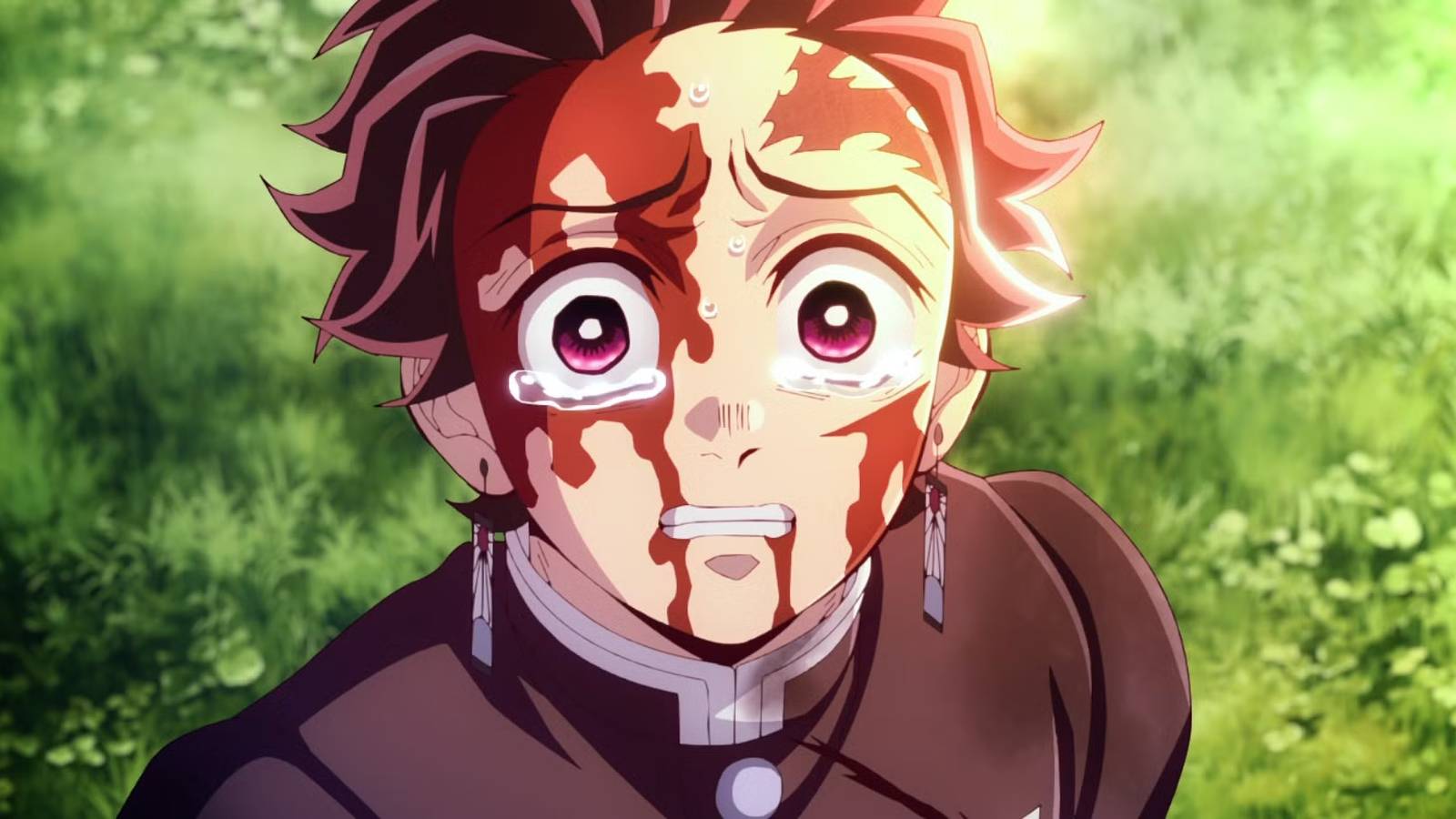
Aniplex, the anime-producing and distributing subsidiary of Sony Music Entertainment Japan, is one of the driving forces in the anime industry. Over its 30-year history, Aniplex has been involved in the production or distribution of globally popular franchises such as Naruto, Bleach, Sword Art Online, Fate, Solo Leveling, and Demon Slayer. In a recent interview with Variety, Shu Nishimoto, who was appointed Aniplex president earlier this year, laid out the company’s strategy and vision, which includes a controversial stance on the use of AI.
Aniplex is a key part of Sony’s growing monopoly on the Japanese entertainment industry. For reference, the conglomerate owns Crunchyroll, the biggest global anime streaming platform, and is the largest shareholder in Kadokawa Corporation. Animation studios A-1 Pictures (Solo Leveling) and CloverWorks (Spy x Family) are both Aniplex subsidiaries. Aniplex also sits on the production committee of the Demon Slayer anime, which generated the two highest-grossing anime movies of all time, Mugen Train and Infinity Castle — both of which were distributed by Aniplex globally.
In short, whenever there’s a big, money-making anime property, there’s a good chance that Aniplex is involved. According to Nishimoto, this is just the beginning. “We do not want to be satisfied with where we are today,” he said in the Variety interview. “Starting from each IP, we’ll continue to consider the most appropriate forms of output for that IP, including theatrical releases, streaming, merchandising, games, live events, exhibitions, and other opportunities.”
This big picture does not exclude the use of AI. “Aniplex’s top priority is to create works together with creators, including animators,” Nishimoto said. “If AI can have a positive impact on creators’ work, or contribute to the further development of the creative process, we would be open to carefully considering its use.”
This isn’t a revolutionary statement per se. Unfortunately, it echoes the thoughts of many corporate leaders and even creatives. However, it does sound unreal coming from the president of a company associated with Demon Slayer. Back in January, Ufotable’s president Hikaru Kondo, writer and chief director for Demon Slayer: Kimetsu no Yaiba — The Movie: Infinity Castle, answered a question about the use of AI: “Our studio, Aniplex and Ufotable, will continue to work with our hand-drawn artists, our writers, our voice actors, and the talent that help bring this emotion to the big screen.”
One year is a long time. Nishimoto became president of Aniplex in April of this year, after a long stint as president of Aniplex of America. He might be expressing a new company stance in that comment. What’s interesting, however, is that in the same interview, Nishimoto preached the importance of preserving the originality of anime as a Japanese art form: “I believe Japanese anime is a highly original form of content, created through a unique combination of Japan’s distinctive worldviews, visual direction, storytelling, and cultural context,” he said.
Nishimoto was actually addressing another important point of contention for the anime industry here: the influence of the overseas market on the medium. “Rather than diluting the individuality of our IPs to fit the global market, I believe it is important to preserve the essence of Japanese creativity and deliver its appeal more deeply to fans in each region.”
It’s another powerful statement, and one that’s hard to argue with. While the overseas market accounts for more than half of the 4 trillion yen (approximately $25 billion) of the Japanese anime industry’s value (the numbers are given by Nishimoto in the interview), it’s the originality of the content that allowed it to resonate with international audiences. “This originality is the most important value that we must continue to pursue, and it is also one of our greatest competitive strengths in the global market,” Nishimoto said.
Will it be possible to preserve the originality of an art form while allowing AI to “contribute to the development of the creative process?” That’s a question that every company like Aniplex will have to answer sooner than later.