




The Nest Hub Max has two 10-watt tweeters and a 30-watt woofer for solid sound. I think the sound lacks some bass, especially compared to newer smart speakers, but it’s fine for casual listening. The 10-inch screen is a great size for following a recipe, and you can stream video content and make video calls with the 6.5-megapixel camera that has a wide 127-degree field of view. The Nest Hub Max is also compatible with both Google Gemini for Home and with Gemini Live if you have a subscription.
What’s Google Gemini for Home?
Google’s smart speakers have all been powered by Google Assistant until this year. Google Gemini for Home is a version of Google’s AI assistant (you’ve seen the Gemini-powered AI summaries at the top of your Google search results) that’s designed for its smart home devices. It’s been rolled out to nearly all of its existing devices for free (with exceptions below).
Compared to Google Assistant, Gemini sounds much more human in its diction and speaking style (there are also multiple voices to choose from) and gives more detailed answers. Sometimes I found the answers a little lengthy; asking whether Vegemite goes bad led to a reply with a paragraph about how the salty product is shelf-stable, so it doesn’t truly expire the way other foods can but that I should still look out for mold if moisture or other food materials have gotten into jar. But overall, Gemini works well and controls devices around my house easily.
The only downside is that while it’s free, unlike Amazon’s newer Alexa+ assistant, some features are behind a paywall. The new Google Home Premium plan bundles the subscriptions for smart home assistants with storage plans for smart home video products, such as the Nest camera and doorbell. That means a subscription can get you a more powerful assistant and video storage for one price if you also own any of those devices.
There’s the standard plan ($10/month or $100/year) that includes 30 days of event-based video history, intelligent alerts for familiar faces and packages, Gemini Live, and an AI-based tool to help you create smart routines for your household. Then there’s the advanced plan ($20/month or $200/year) that includes 60 days of event-based video history, 10 days of 24/7 video history, descriptive notifications, searchable video history, video event descriptions, and daily summaries of recorded events. It also includes Gemini Live and the AI routine-building tool that you get with the cheaper plan.
As for Gemini Live, it works well enough, and it handled various conversation topics ranging from my 3-year-old’s development to what happened on the previous day’s Love Island episode, but it’s not a feature I’ve had a desire to use outside testing. Maybe it’s one you’d like, but that’s up to you to decide.
Which Older Google Speakers Have Google Gemini?
Most of Google’s speakers are compatible with Gemini for Home, but not all of them have Gemini Live capability, even if you have a subscription. Here’s a breakdown of which ones have access:
- Google Home (2016) – Gemini
- Google Home Mini (2017) – Gemini
- Google Home Max (2017) – Gemini
- Google Nest Mini (2019) – Gemini
- Google Nest Audio (2019) – Gemini and Gemini Live
- Google Nest Hub (2018) – Gemini and Gemini Live
- Google Nest Hub Max (2019) – Gemini and Gemini Live
- Google Nest Hub (2nd Gen) (2021) – Gemini and Gemini Live
- Google Pixel Tablet (2023) and Speaker Base (2024) – None
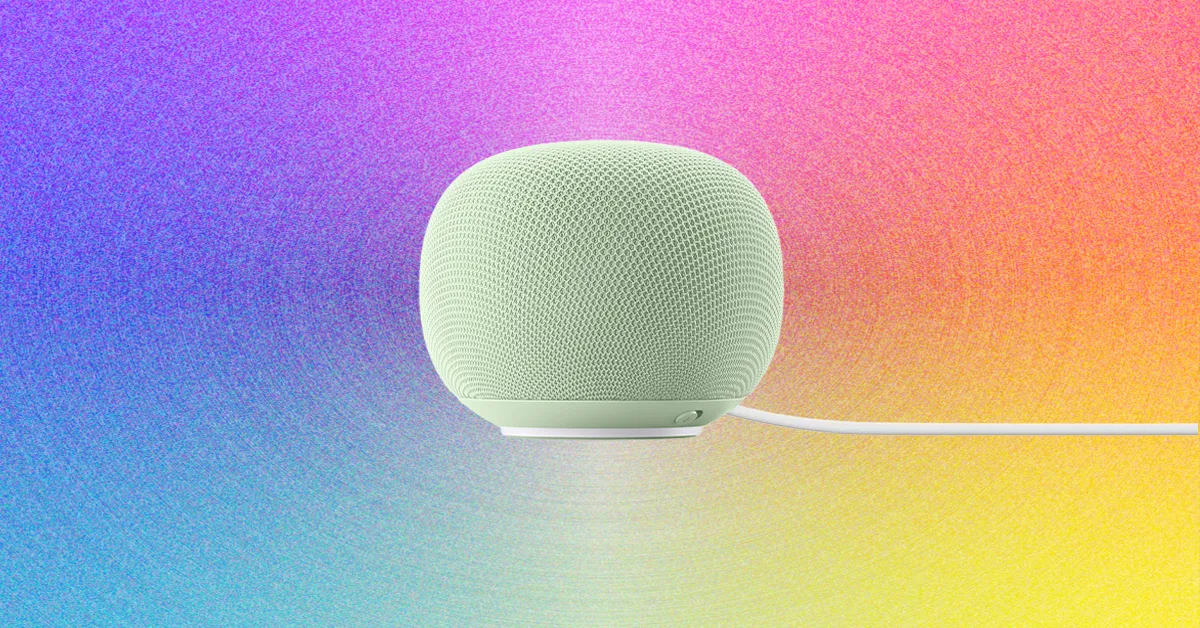
- Google Home Speaker (2026) – Gemini and Gemini Live