



I consider The Witcher 3: Wild Hunt to be my favorite game of all time, and one of the best games ever made. From the moment I slayed those wolves alongside Vesemir in White Orchard, I was hooked on its stunning world, complex characters, and intricate quest design. However, I’d only finished The Witcher 2: Assassins of Kings a few days prior to the launch of the third game, which meant that while the expanse of Velen and Skellige made for a much broader game, I was left wishing for slightly more impactful choices and a deeper narrative.
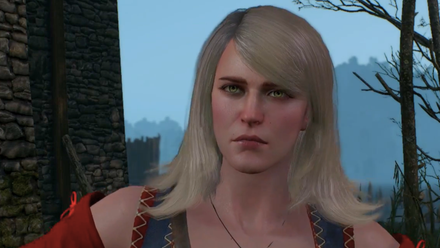
The Witcher 3 was by no means short of player choice. Individual quests offer plenty of decisions, such as Keira Metz’s fate, who to help in Skellige, and who to romance, but they don’t carry much weight. Deciding whether Geralt falls in love with the lore-accurate Yennefer of Vengerberg or he opts for Triss Merigold instead is entertaining and helps connect the player with the protagonist, but it’s a choice that only impacts Geralt’s journey.
Mechanically, The Witcher 2 is considerably stripped back, as you’d expect from a game made four years prior that allegedly cost just $10 million to develop compared to the sequel’s rumored $80 million. There are fewer side quests, the game is segmented into semi-open areas as opposed to the vast open world seen in The Witcher 3, and combat isn’t quite as fleshed out. However, the decisions you make have serious consequences, especially early on.
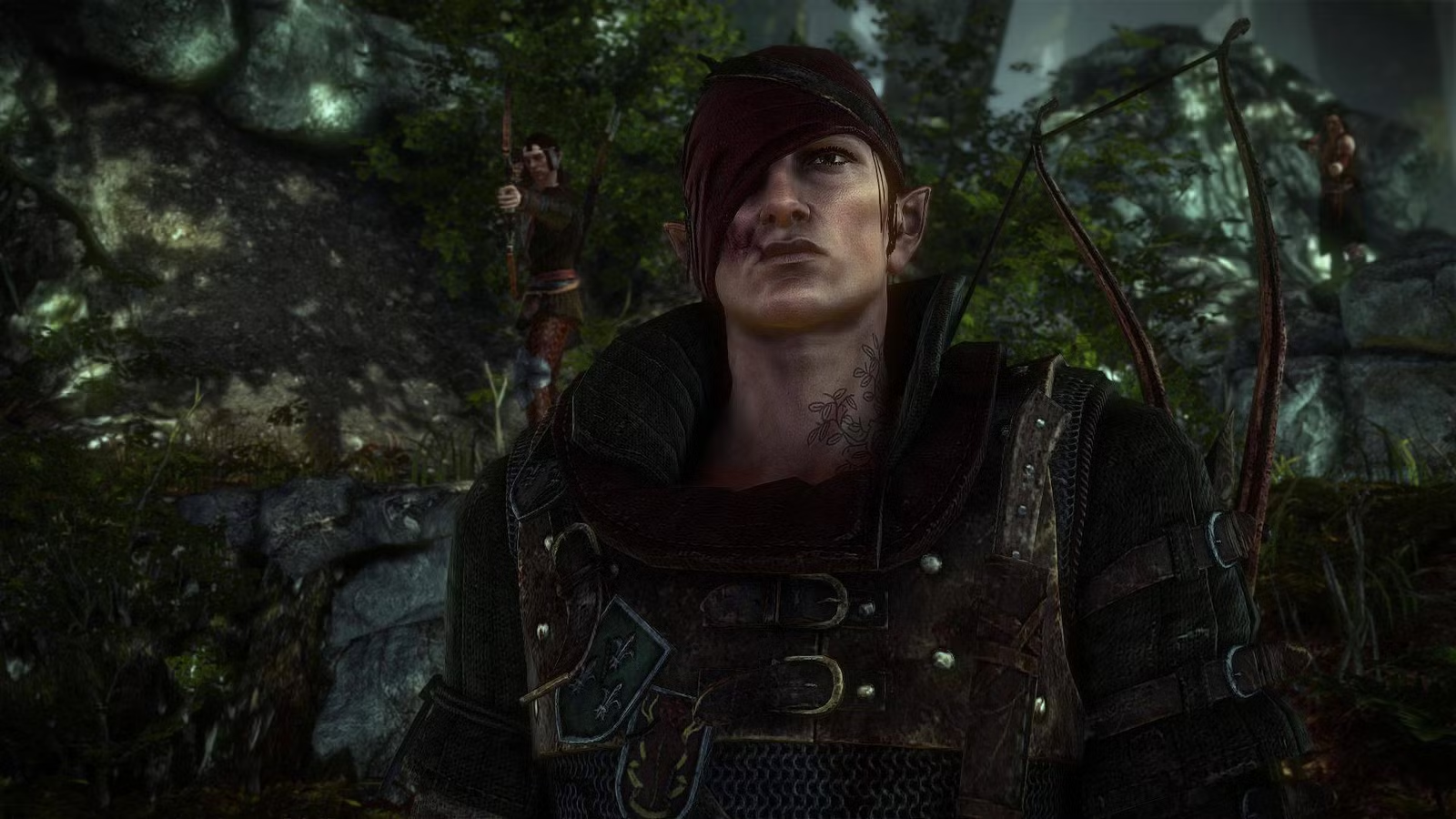
During the game’s first act, you must decide whether to side with Iorveth and the Scoia’tael or Roche and the Blue Stripes. This completely alters the rest of the game. From that point on, the story branches out into two separate paths. You’ll visit different areas, complete unique quests, and befriend characters you wouldn’t even meet otherwise. It’s the perfect example of a game that needs to be played through twice to get the full experience.

There’s an argument to be made against that approach, because in this day and age with excellent video games releasing practically every day, who has the time to replay a chunky RPG? Especially one that, if it wants to surpass its predecessor in scope, will likely boast a triple-digit runtime. But there’s a middle ground to be found, where choices feel like they impact more than just the protagonist and player’s personal story, but still explore the same regions and characters.
Take Baldur’s Gate 3, for example. Widely considered to be the best RPG of all time, it was lauded for its player agency, and while it has five main endings, you don’t need to play through the game more than once to consider it fully experienced. The way you approach each area, depending on your allegiances and decisions, will change, and there are serious narrative consequences for your actions. But there isn’t a significant amount of gated content if you choose the ‘wrong’ option.

As a result of The Witcher 2’s impactful choices, it also feels like a superior RPG compared to the third game, even if the latter is a better overall experience. The Witcher 3 lets you make a number of choices that affect the ending, but have very little impact on the world around you and the political conflict ongoing at the heart of the war.
If The Witcher 4 is to be the sum of all the best parts that came before it, it will look beyond the third game for inspiration. It needs more meaningful player choice, not pseudo-consequences that have no knock-on effect. Given how Cyberpunk 2077 turned out after the Phantom Liberty expansion and 2.0 update, I have faith CD Projekt Red is capable. Maybe the upcoming Songs of the Past DLC for The Witcher 3 will give us a taste of what to expect?
I trusted the wrong person in The Witcher 3 and regret it to this day
Pro-tip: Beautiful women in your area are not always right