




The Big Picture
Let’s keep it real. Climate change does not feel like some distant problem anymore. It does not sit quietly in science reports while normal life carries on like nothing happened. It shows up in heatwaves, wildfires, floods, food prices, water shortages, and those random weather swings that make you stop and say, what is going on here?
That is the biggest update, honestly. Climate change has moved from “future concern” to “current headache.” And not the small kind either. The world keeps getting warmer, extreme weather keeps hitting harder, and governments still move like they have all the time in the world. Spoiler alert, they do not.
For years, people talked about climate change like it was some slow moving issue our grandchildren would deal with. That fantasy has expired. We already deal with it. We already pay for it. We already see the consequences in daily life. If you watch the news regularly, you probably notice the pattern. One month it is record heat. The next month it is flooding. Then drought. Then wildfire smoke. Then another “once in a generation” disaster that somehow happens every other year. Very normal, obviously.
The current climate conversation feels more intense because the evidence keeps stacking up. The planet keeps sending updates, and none of them look cheerful. That does not mean we should panic and give up. It means we should stop pretending the issue sits far away from real life.
Rising Global Temperatures
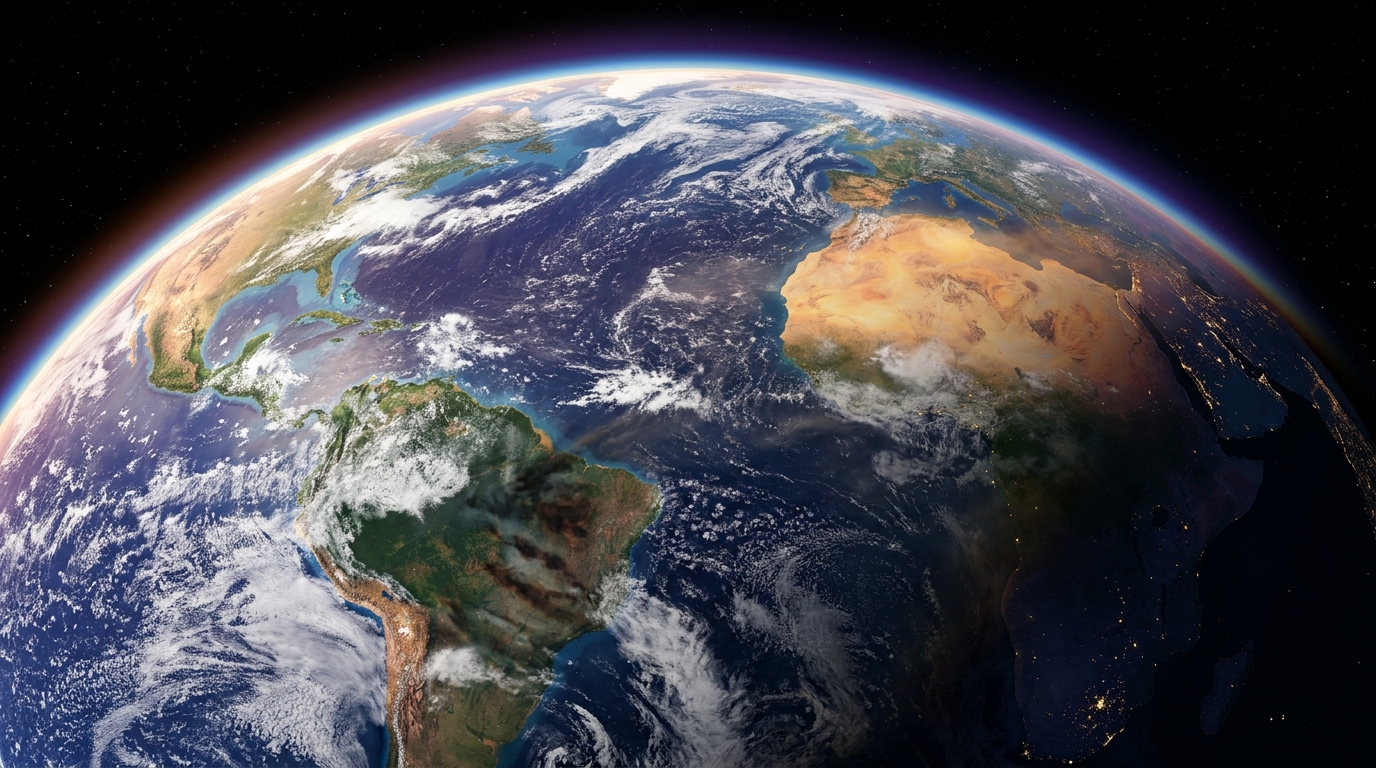
One of the biggest climate updates right now involves temperature. The world keeps breaking heat records, and that matters more than people think. A warmer planet does not just mean summer feels more annoying. It changes rainfall, farming, water supply, ecosystems, energy demand, and public health.
When global temperatures rise, that heat does not just float around doing nothing. It affects everything. Crops suffer. Cities trap more heat. Electricity use goes up because everyone runs air conditioning nonstop. People with health issues face more risk. Outdoor workers deal with harsher conditions. Ever tried doing anything productive in brutal heat? Exactly.
The scary part is how easy it has become to ignore these records because they happen so often. Another warmest year. Another hottest month. Another record broken. After a while, people treat it like background noise. But it should not feel normal. Repeated temperature records tell us the climate system keeps moving in the wrong direction.
And let’s be honest, this is not one of those situations where people simply disagree because the issue looks unclear. The direction looks obvious. The trend keeps rising. The excuses keep getting weaker.
Extreme Weather Is Getting Worse
This is the section most people understand immediately because they can actually see it happening. Climate change and extreme weather now go together like bad decisions and internet apologies.
Heatwaves hit longer and harder. Heavy rain falls faster and causes more damage. Droughts dry out land and pressure farming systems. Wildfires spread faster in hot, dry conditions. Storms hit communities that already struggle with weak infrastructure. No, climate change does not create every weather event out of nowhere. But it makes many of them stronger, riskier, and more destructive.
That distinction matters. Some people still ask, can you blame one storm or one flood entirely on climate change? That question misses the bigger point. Climate change loads the dice. It changes the background conditions. It increases the chance that weather events become more intense and more damaging.
Think about it this way. If a city gets one extreme flood after another, people can keep calling each event unusual. But after a while, “unusual” starts looking suspiciously routine. And when that routine keeps costing lives, homes, and billions in damage, nobody wins by playing word games.
Oceans Are Heating Up Too
A lot of people focus only on the air temperature and forget the ocean. Huge mistake. Oceans absorb a massive amount of extra heat from global warming, and that creates serious problems.
Warmer oceans push sea levels higher through thermal expansion. They damage coral reefs. They disrupt marine ecosystems. They contribute to stronger storms. They also store heat for a long time, which means today’s warming can keep affecting the future even if the world suddenly became smarter overnight.
The ocean acts like a giant heat sponge, but that does not mean everything stays under control. It means the system hides some of the damage until it starts showing up in other ways. Coastal erosion gets worse. Fisheries face pressure. Coral bleaching becomes more common. Marine heatwaves increase stress on ocean life.
And here is the annoying part. People often ignore ocean heating because they do not see it directly in daily life unless they live near the coast or work in related sectors. But ocean change affects weather, food systems, and long term sea level rise. So yes, the ocean update matters a lot.
Sea Level Rise and Coastal Risk
Sea level rise sounds slow and boring until it starts threatening homes, roads, farmland, ports, and drinking water. Then suddenly everyone pays attention.
As the planet warms, ice melts and warmer seawater expands. That combination pushes sea levels upward. Coastal cities and island communities face the biggest pressure, but the ripple effects spread much wider. Flooding becomes more frequent. Storm surges become more dangerous. Saltwater can move into freshwater systems and farmland. Insurance costs rise. Infrastructure gets more vulnerable.
This part of climate change really exposes how unfair the whole situation is. Many coastal communities contribute very little to global emissions, yet they face some of the most serious risks. Imagine dealing with rising water because richer countries spent decades building their economies on fossil fuels. That is not just frustrating. That is deeply unfair.
And yet, this issue still does not get enough everyday attention. Maybe because sea level rise sounds gradual. Maybe because it lacks the drama of wildfire footage. But the damage adds up. Quiet problems still destroy things.
Emissions Are Still Too High
Now we get to the root of the mess. Greenhouse gas emissions remain too high, and that keeps the whole climate problem moving forward.
Countries love to announce targets. They love climate speeches. They love giant meetings with polished statements and serious facial expressions. But emissions do not care about speeches. Emissions respond to actual changes in energy, transport, industry, agriculture, and land use.
That is where the gap becomes obvious. Many leaders say the right things, but global emissions still stay far above where they need to be. That means the world continues to burn too much coal, oil, and gas. It continues to clear forests. It continues to build systems that lock in future pollution.
This is what makes climate updates so frustrating. We do not lack information. We do not lack technology. We do not even lack public awareness anymore. We mostly lack speed, courage, and serious follow through.
It feels like watching someone call the fire department while also pouring a little extra fuel on the flames just for fun. Not the best strategy, really.
Clean Energy Is Growing Fast
Now for something slightly less depressing. Clean energy has made real progress, and that deserves attention.
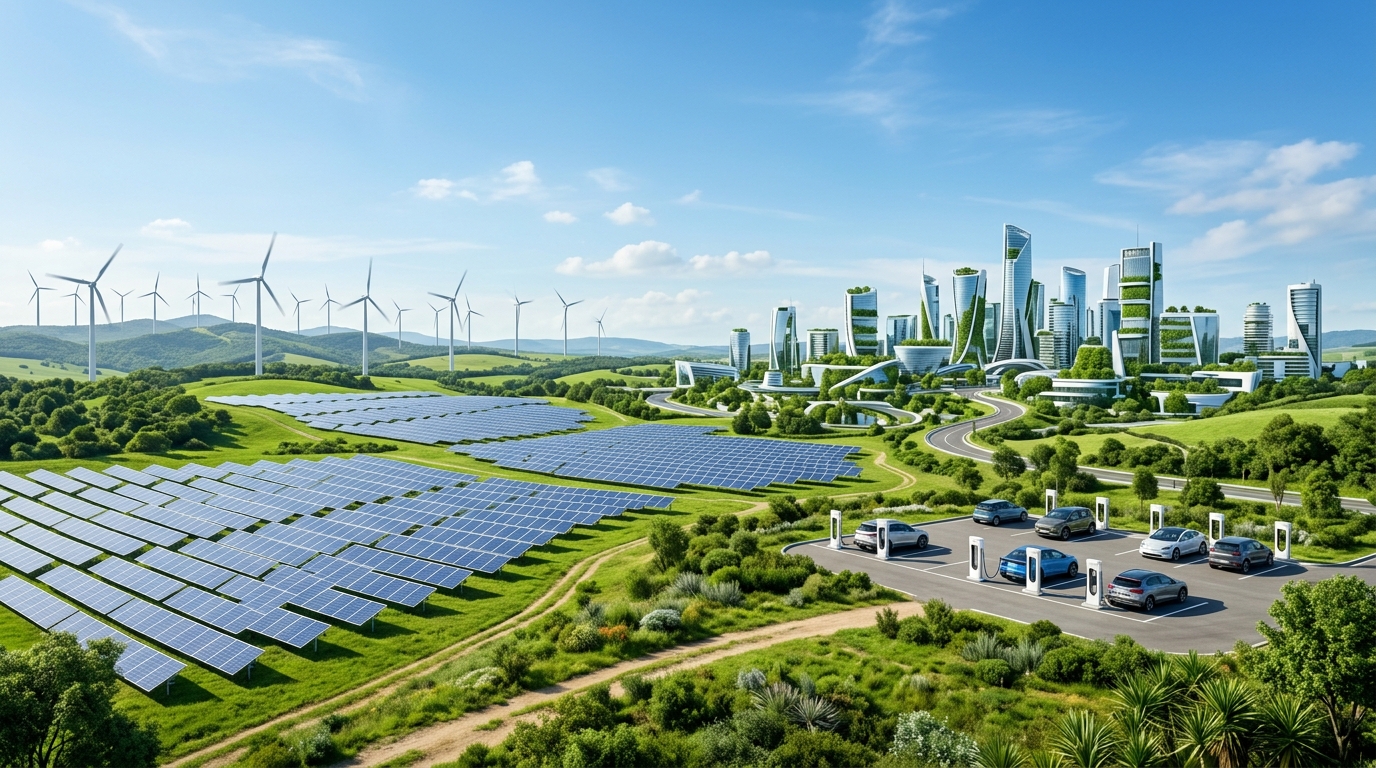
Solar power has expanded quickly. Wind power has grown in many regions. Battery technology has improved. Electric vehicles have become more common. More businesses now take renewable energy seriously because it makes economic sense, not just because it looks good in a press release.
This matters because climate conversations used to feel stuck between fear and guilt. Now they include something more practical. Opportunity. Jobs. Energy security. Innovation. Lower long term costs. Cleaner air. More resilience. That shift changes the game.
I think this is one of the most important updates in the whole climate story. A lot of solutions do not sit in the fantasy category anymore. They exist. They scale. They improve. They compete. The problem is not that the world has no path forward. The problem is that the world still moves too slowly on the path it already found.
And yes, clean energy growth looks promising, but it does not cancel out the problem overnight. We still need faster adoption, stronger grids, better storage, cleaner industry, and less fossil fuel dependence overall. Progress helps. Delay still hurts.
Climate Politics Still Moves Too Slowly
This section always gets messy because climate change and politics now overlap everywhere. Energy policy, transport policy, industrial strategy, food systems, international trade, national security, public health, housing, and infrastructure all connect to climate now.
Governments know the issue matters. They say it constantly. But when it comes time to make hard choices, things slow down. Fossil fuel interests push back. Elections reshape priorities. Some leaders treat climate action like a branding exercise instead of actual policy. Others fear short term political backlash more than long term climate damage.
That is why climate progress often feels weirdly inconsistent. One country approves renewable investments while also approving new fossil fuel expansion. One government promises bold action, then waters it down. One summit creates hope, then implementation drags.
Ever wonder why climate news feels like one step forward and two annoying side steps? That is why. Politics moves through compromise, pressure, lobbying, and fear of public reaction. Meanwhile, the climate system does not pause politely while humans debate everything forever.
Adaptation Matters More Than Ever
People often talk about climate change as if the only issue involves cutting emissions. That matters most in the long run, yes. But adaptation matters right now.
Communities need better flood systems, better drainage, stronger buildings, heat response plans, water management, wildfire planning, and more resilient farming methods. Hospitals need to prepare for heat stress. Cities need more shade and smarter design. Coastal areas need stronger protection. Farmers need support to deal with changing rainfall and soil conditions.
This part of the conversation deserves way more attention because climate damage already affects people. We cannot simply promise future emission cuts and ignore present day harm. That would be like promising to eat healthier next month while your kitchen already burns today.
Adaptation sounds less exciting than giant climate pledges, but it protects real lives. Sometimes the most useful climate action looks boring. Better drainage. Better warning systems. Better infrastructure. Not glamorous, but very effective.
Climate Change and Everyday Life
Some people still talk about climate change like it belongs only to scientists, activists, or politicians. That view feels outdated now.
Climate change affects food prices, insurance costs, electricity bills, travel disruptions, water availability, air quality, housing risk, and public health. It touches ordinary life in ways people notice even if they never read a climate report.
Hotter summers push cooling costs up. Flood damage affects local economies. Crop stress can increase food prices. Wildfire smoke affects air quality far from the fires themselves. Insurance becomes harder or more expensive in risky areas. Businesses face supply chain problems after climate related disasters.
This is why climate change no longer fits neatly inside the environment category only. It belongs in economics, health, business, agriculture, city planning, and national policy. It shapes how people live.
Once you see that, the whole conversation changes. Climate change stops looking like a side issue and starts looking like a systems issue. Because that is exactly what it is.
The Fairness Problem
This part deserves its own topic because it sits at the center of global climate tension. The countries and communities that contributed least to the problem often face the harshest impacts.
Poorer nations usually have fewer resources for adaptation. Small island states face rising sea levels. Dry regions face severe drought pressure. Vulnerable communities struggle to recover after disasters. Meanwhile, many wealthy economies built their prosperity during decades of high emissions.
That reality creates difficult questions. Who should cut emissions fastest? Who should fund climate damage recovery? Who should support adaptation in vulnerable countries? These are not side questions. They shape international climate negotiations every year.
And honestly, the frustration makes sense. If one group caused most of the mess and another group pays the price, tension becomes unavoidable. Climate justice is not just a slogan. It reflects a real imbalance in responsibility and vulnerability.
What the Latest Updates Really Mean
So where does all this leave us?
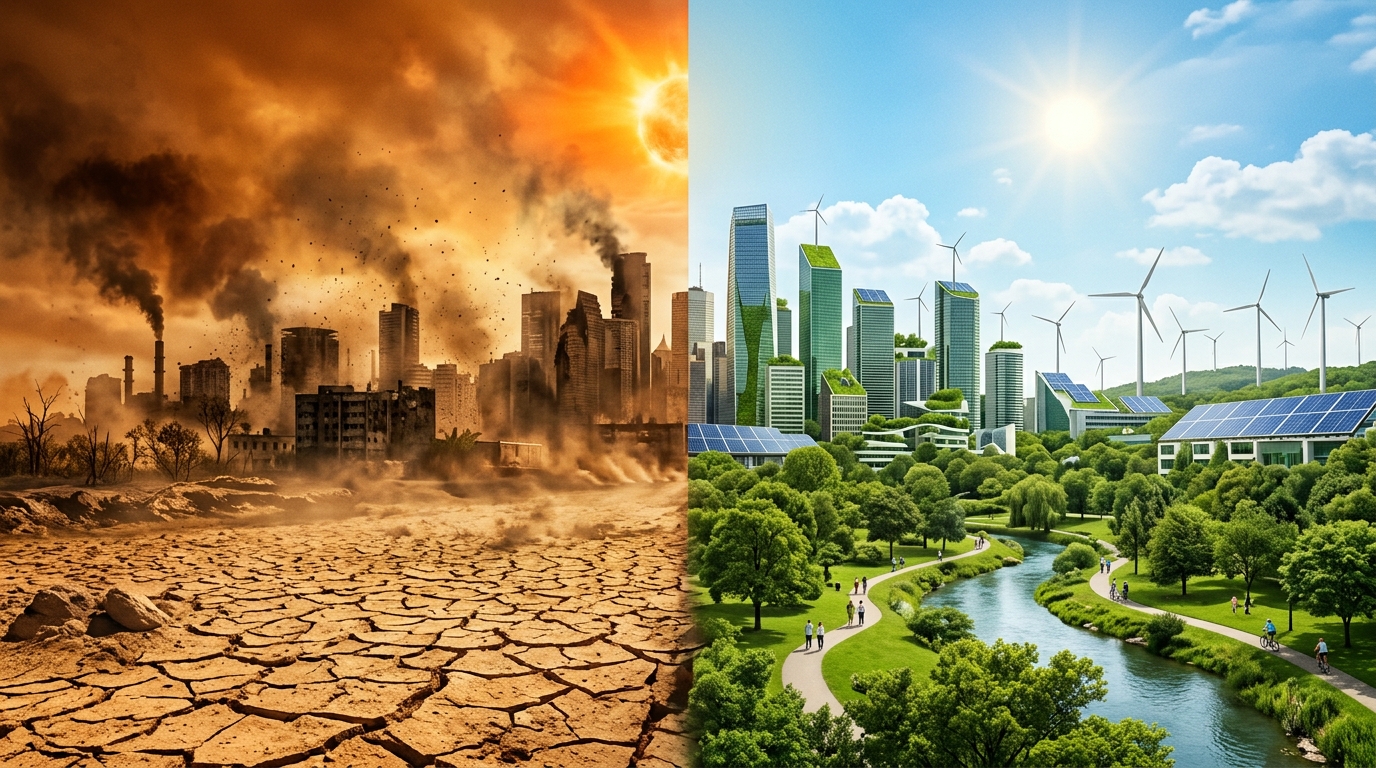
It leaves us in a serious situation, but not a hopeless one. The latest global climate updates show a clear pattern. The planet keeps warming. Extreme weather keeps intensifying. Oceans keep heating. Sea levels keep rising. Emissions still remain too high. Clean energy keeps growing, but not fast enough to fix everything on its own. Governments still need stronger action, and communities need faster protection.
That is the real summary.
If you want the simple version, here it is:
- The climate problem is getting worse
- The warning signs keep increasing
- The solutions exist
- The response still falls short
That combination defines the current moment better than anything else.
I think that is what makes climate news feel so frustrating. We do not stand in total confusion. We stand in partial action. We know enough to act harder. We just keep choosing half measures too often.
Still, the story has not ended. The next few years matter a lot. Every policy decision matters. Every shift toward cleaner energy matters. Every adaptation step matters. Every delay also matters, unfortunately :/
Climate change has stopped being a future problem we discuss for academic fun. It now shapes the main story of our time. And whether people like it or not, the updates will keep coming.