



The Middle East never really does “quiet,” does it? Just when people start whispering the word ceasefire, something explodes, a new front opens, oil prices jump, and everyone acts shocked. Again. As of April 9, 2026, the biggest story is not just Gaza anymore. The conflict now stretches across Gaza, Lebanon, Iran, and the Strait of Hormuz, and every one of those places affects the others.
If you have tried to follow the news lately and felt like the whole thing turned into a giant tangled wire mess, you are not alone. One day the headlines focus on Gaza. The next day Lebanon jumps to the front. Then oil markets start panicking because shipping in Hormuz slows to a crawl. Then diplomats show up, smile for cameras, and pretend they fully control events. Spoiler alert: they do not.
So let’s talk like normal people and cut through the noise.
The biggest shift right now is Lebanon
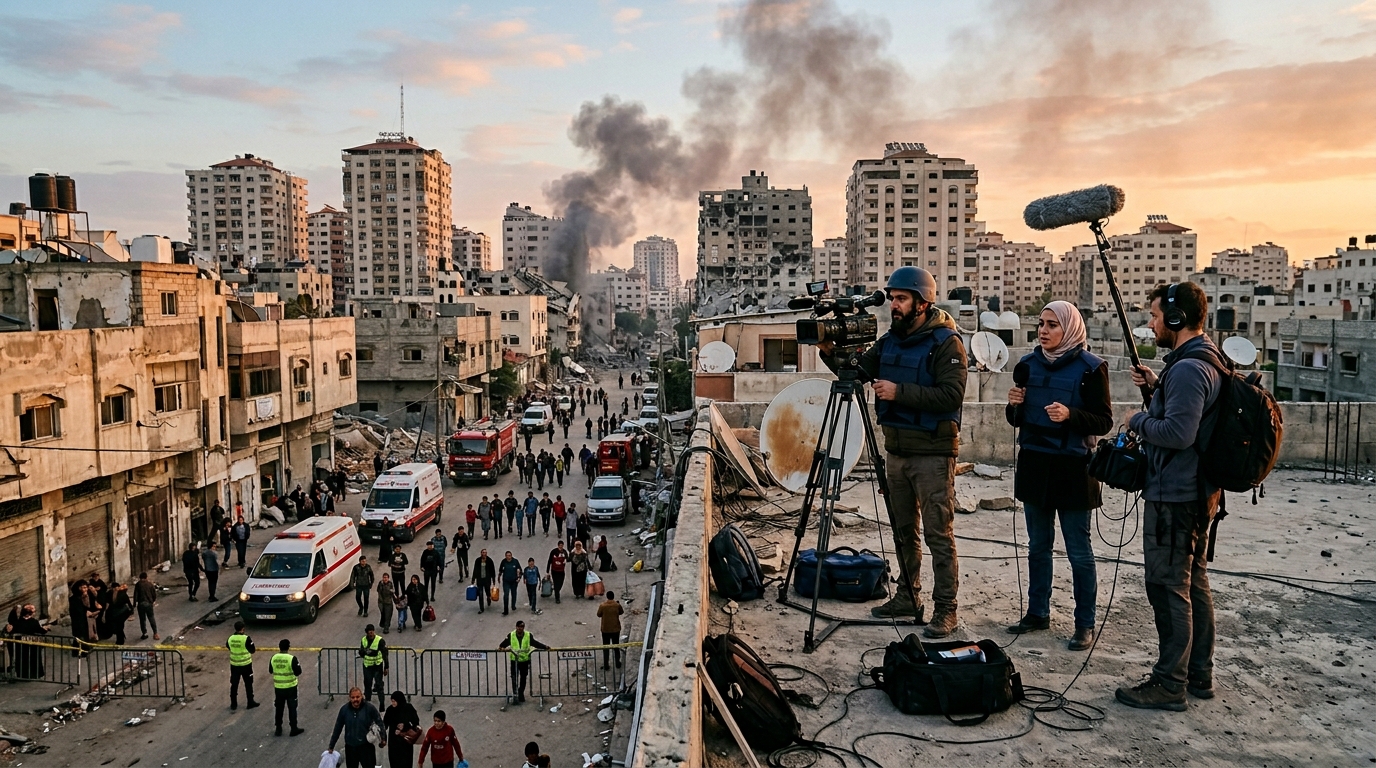
Right now, Lebanon has become the hottest front in the conflict. Israel carried out some of its heaviest strikes there this week, with reports from Reuters and AP saying the bombardment killed more than 250 people on April 8, and later reporting put the death toll from the latest wave at over 300. Lebanese authorities also reported more than 1 million displaced people as the conflict kept expanding. That is not a side story. That is a major regional escalation.
The really striking part is that this happened while diplomacy was supposedly trying to calm things down. Israel says it wants direct talks with Lebanon, and Prime Minister Benjamin Netanyahu has publicly said he wants peace negotiations to start as soon as possible. Lebanon has also signaled interest in talks, but Lebanese officials want a temporary ceasefire first so the discussion does not happen under constant bombardment. That sounds pretty reasonable, honestly. Trying to negotiate while missiles fly overhead is not exactly a relaxing conference setup.
At the same time, Israel says it still plans to keep hitting Hezbollah targets. That contradiction sits right at the center of the current crisis. On paper, diplomacy has started moving. In reality, the military campaign has not paused enough to build trust. That gap explains why so many people keep talking about a “fragile” peace process instead of a real one.
Then came another major development on April 9. Israel said it killed Hezbollah leader Naim Qassem in a Beirut strike. If Hezbollah confirms that fully, it would mark one of the most significant blows to the group’s leadership in recent memory. And yes, that also raises the obvious question: does that weaken Hezbollah enough to open a door for talks, or does it just push the group and its allies toward harsher retaliation? In this region, both outcomes can sit on the table at the same time.
Gaza is no longer the only headline, but it is still central
A lot of people hear the latest Lebanon headlines and assume Gaza has somehow cooled off. It has not. Gaza remains a core part of the conflict, and the current fighting across the region still connects back to the unfinished war there. Reuters reported on April 5 that Israeli fire killed four Palestinians in Gaza, and it noted that the October 2025 ceasefire has been steadily eroding. Since that ceasefire began, Reuters said more than 700 Palestinians have been killed by Israeli fire, while militants in Gaza have killed four Israeli soldiers.
That matters because Gaza still drives diplomacy. Mediators have tried to preserve and expand the ceasefire framework, but one major sticking point keeps blocking progress: disarmament. Hamas has said it will not discuss giving up arms unless Israel guarantees a full withdrawal from Gaza. Reuters reported this position clearly last week and again this week. So whenever you hear that negotiations continue, understand that the central argument has not changed. One side wants security through disarmament. The other side says disarmament without withdrawal would be surrender dressed up as peace.
That deadlock also keeps the humanitarian crisis alive. OCHA reported on April 2 that severe weather damaged or flooded shelters used by thousands of displaced people in Gaza. UNRWA’s latest situation reporting says the death toll since October 2023 has climbed above 72,000 Palestinians, based on local health ministry figures reported by OCHA. Those numbers sit behind every political argument, every ceasefire headline, and every press conference where officials act like wording is the real battlefield. The human cost remains enormous.
And here is the brutal truth: Gaza now feels like the place everybody references while fighting somewhere else. It still shapes the conflict. It still carries the deepest humanitarian pain. But the regional spotlight has widened, and that makes a lasting Gaza settlement even harder. Why? Because the more fronts you add, the more every negotiation turns into a giant package deal nobody can fully control.
Israel’s strategy looks more long term now
One of the more important recent analyses from Reuters says Israel is digging in for what amounts to a long war strategy, building or expanding buffer zones in Gaza, Syria, and Lebanon. That is a big shift. Instead of treating these fronts as temporary flareups, Israeli strategy increasingly looks focused on pushing hostile forces farther from its borders and keeping them there.
From Israel’s perspective, that logic makes sense. After the trauma of past attacks, many Israeli leaders clearly believe waiting for threats to reach the fence or the border is unacceptable. So they want physical distance, constant pressure, and military depth. You do not need to agree with that strategy to understand it.
But critics raise a serious point too. Buffer zones sound clean and simple when politicians say the phrase at a podium. On the ground, they usually mean evacuations, destruction of homes, long deployments, and a permanent feeling that war has no off switch. Reuters noted that legal experts have questioned the destruction tied to these policies, and analysts have warned that this kind of strategy can overstretch military resources over time. That is the classic problem with “forever war” logic. It starts as a security answer and slowly becomes the whole system.
IMO, that is one reason this conflict feels so hard to summarize right now. We are not just watching another short crisis. We are watching several actors build for endurance. And when both sides start planning for years instead of weeks, the odds of a quick clean deal drop fast.
The U.S. and Iran ceasefire changed the atmosphere, but not the reality
Another huge piece of the story is the U.S. Iran ceasefire, which has reduced some direct pressure but has not truly stabilized the region. Multiple reports say the ceasefire remains fragile, and key disagreements about what it covers still matter. Iran and some of its allies have argued that Lebanon should effectively fall under the broader de escalation logic. Israel has rejected that reading and kept striking Hezbollah targets. That disagreement is not some technical detail. It goes straight to whether regional diplomacy can hold together at all.
China, France, and the UK have all publicly signaled concern and called for the ceasefire opportunity to lead to broader peace. That sounds nice, and sure, everyone loves peace in a microphone statement. But the problem is simple: no one has imposed a unified roadmap that all the armed actors actually accept. So instead of one clear peace track, we now have several overlapping tracks, each with its own conditions, mistrust, and hidden red lines.
That is why the diplomatic picture feels so weird. Headlines say “talks,” but the battlefield says “not so fast.”
The Strait of Hormuz is turning war into an economic shock
If you want proof that this conflict reaches far beyond the battlefield, look at the Strait of Hormuz. Reuters reported on April 9 that shipping traffic there has dropped to less than 10% of normal levels, with only seven ships crossing in the previous 24 hours compared with the usual around 140. That is huge. Hormuz is one of the world’s most critical energy chokepoints, so even partial disruption sends markets into panic mode.
Barclays warned that delays in restoring normal flows through Hormuz create upside risk to oil prices, and Reuters reported that crude prices rose again on concerns the passage still has not returned to normal. AP also reported earlier this week that ceasefire news briefly pushed prices down, but renewed uncertainty quickly brought pressure back. In plain English, the market keeps doing the same thing nervous people do in chaos: calm down for five minutes, then panic again.
The IMF has already warned that the regional war could drive demand for $20 billion to $50 billion in support and leave lasting damage to global growth. That shows how the Middle East conflict now shapes not only security headlines but also inflation, trade, fuel costs, and economic planning far outside the region. So when someone says this is “just another overseas conflict,” no. It absolutely is not. If oil routes choke, the whole world feels it.
Why Hormuz matters so much
- It handles a massive share of global oil shipping.
- Traffic there remains far below normal even after ceasefire talk.
- Higher energy prices can hit everything from transport to food costs.

Humanitarian suffering keeps getting buried under strategy talk
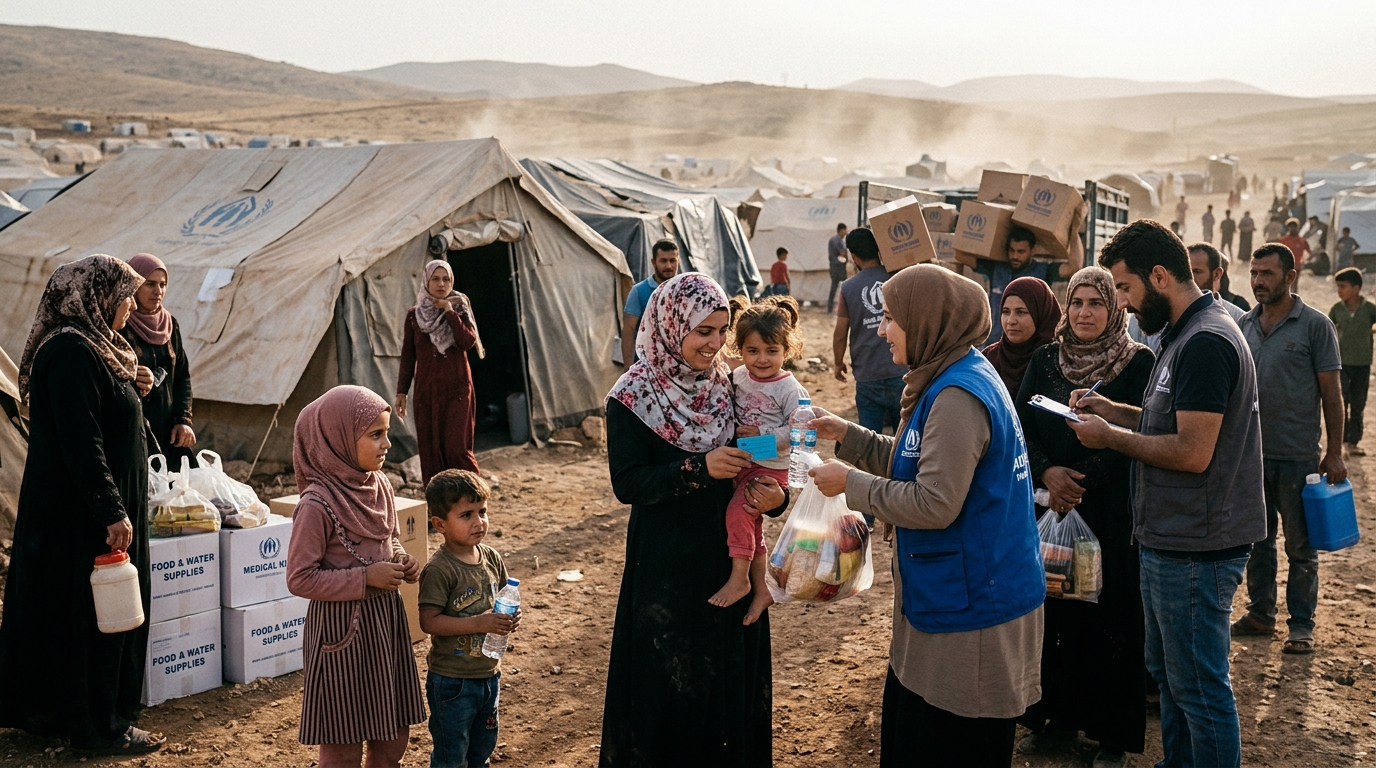
One thing that really bothers me in coverage like this is how quickly people jump to the map, the missiles, the politics, the “who gains leverage” stuff, and almost forget there are civilians stuck inside every one of these headlines. In Lebanon, the latest strikes killed hundreds and displaced huge numbers of people. In Gaza, aid access remains deeply strained, shelter conditions remain awful, and the UN says aid workers have faced an alarming level of danger across the conflict zone. AP reported yesterday that more than 560 aid workers were killed in Gaza and the West Bank between 2023 and 2025. That number should stop anybody cold.
This is the ugly pattern of long conflicts. At first, the world reacts emotionally. Later, the language gets colder. People start talking about corridors, leverage, deconfliction, strategic deterrence, and all the other tidy phrases that somehow sound cleaner than shattered homes and terrified families. But civilians still pay the bill. They always do. The jargon just hides it better.
So where does this go next?
Right now, I see three big possibilities.
First, Lebanon talks actually begin and create a limited pause, even if fighting does not end completely. Reuters and AP both say discussions could move forward soon, with U.S. involvement playing a central role. That would not solve the whole region, but it might keep this front from spiraling further.
Second, the talks fail before they really start, and Israel keeps intensifying pressure on Hezbollah while Hezbollah and its allies answer back. If that happens, the fragile U.S. Iran truce could come under even more strain. We already see officials warning that Lebanon must be included in any broader calming effort. That warning exists for a reason.
Third, the economic angle gets worse before the battlefield settles. If Hormuz stays heavily disrupted, oil prices stay volatile, shipping costs stay elevated, and governments far from the region start feeling domestic pressure. Sometimes markets force urgency faster than moral outrage does. Sad, but true :/
The bottom line
So what is the real “latest news” on the Middle East conflict?
It is this: the war has widened, diplomacy has not caught up, and Lebanon now sits at the center of the most dangerous immediate escalation. Gaza remains unresolved and deeply humanitarian in scale. Israel looks increasingly committed to a long security campaign across multiple fronts. Iran and the U.S. may have reduced one direct line of confrontation for now, but the ceasefire has not locked the region into stability. And the Strait of Hormuz keeps reminding the world that regional war can become a global economic problem very fast.
In other words, this is not a story about one battlefield anymore. It is a story about overlapping wars, half formed negotiations, exhausted civilians, and a region where every “breakthrough” still comes with an asterisk. Ever wonder why people sound so skeptical every time leaders announce progress? That is why.